
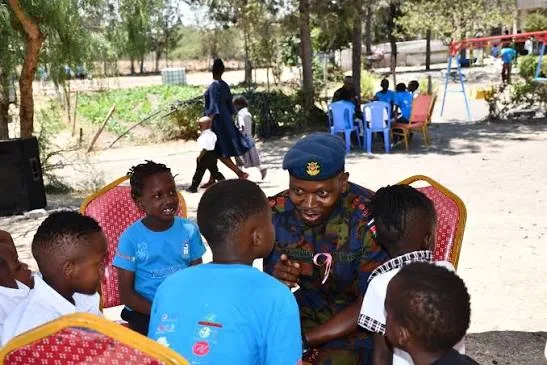
A child-centred perspective
Working with Local Communities in Child Support is an important subject for anyone concerned with the well-being and future of children. Children need more than short-term assistance. They need opportunities to develop, supportive relationships and an environment in which their dignity is respected. The right approach begins by understanding the circumstances around each child rather than assuming that every family or community faces the same challenges.
A child-centred response recognizes that education, safety, health, emotional well-being and social belonging are connected. A difficulty in one area can affect another. For example, a learner who is worried about basic needs may find it harder to concentrate at school. A child who feels excluded may be less willing to ask for help. Support is strongest when it considers the whole person and the context in which the child is growing.
Families, guardians, teachers and community members can all contribute to a child’s development. Their knowledge of local circumstances can help identify practical barriers and suitable forms of assistance. Listening carefully is essential. Children and the adults who care for them should be treated as partners in decisions that affect their lives, with appropriate safeguards for age, privacy and safety.
Organizations that work with children also carry responsibilities. They should communicate honestly about their programs, use resources carefully and maintain appropriate safeguarding procedures. Public stories and photographs should never compromise a child’s privacy or dignity. Supporters should be able to ask how beneficiaries are identified, what assistance is provided and how the organization learns whether its work is useful.
The information supplied by Aid Care Orphans Centre describes a focus on orphaned and vulnerable children, education bursaries and community-based support. It also refers to collaboration with Muzdalifah Islamic Charitable Organisation in Zanzibar. These details provide context for the organization’s stated work, but they do not replace current program information or independently verified impact reporting.
Anyone interested in supporting children should ask clear questions before making a contribution. Confirm the organization’s current priorities, approved payment methods, reporting practices and the safeguards used to protect children. Avoid sending money in response to unverified instructions, and do not expect a contribution to guarantee a specific result for an individual child.
The strongest support is thoughtful, respectful and sustained. It recognizes children’s strengths as well as their needs, values local relationships and aims to expand opportunity without taking away a child’s voice. By keeping dignity and safety at the centre, communities can help children move toward a future with more choices and confidence.
The centre’s public information and current activities should be confirmed directly with the organization. This website does not publish private details about individual children or families, and it does not promise a particular outcome for any child.
Responsible support begins with accurate information, respect for local context and a commitment to protect the dignity, safety and privacy of the children involved.