
Child Well-Being
Child well-being is broader than the absence of immediate hardship. It includes physical safety, emotional security, healthy relationships, opportunities to learn and the confidence to participate in everyday life. For children who have experienced the loss of parental care or other difficult circumstances, stable support can be especially important.
A child-centred approach begins by listening. Children should be treated with respect, and their views should be considered in ways that are appropriate to their age and circumstances. Adults responsible for care should avoid making assumptions about what a child needs and should seek appropriate guidance when decisions involve health, education, protection or family relationships.
Stability can be built through consistent routines and dependable relationships. A trusted guardian, teacher or caregiver can help a child feel seen and supported. Simple practices such as clear communication, predictable expectations and encouragement can create a stronger foundation for learning and development. When circumstances change, children benefit from adults who explain what is happening in an age-appropriate and reassuring way.
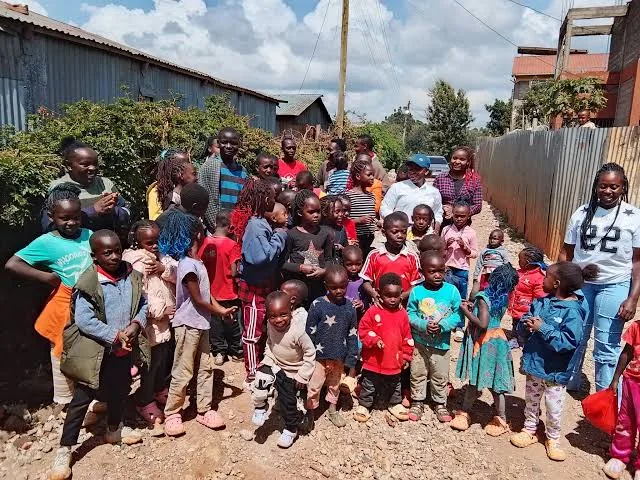
Protection is an essential part of well-being. Organizations working with children should have clear safeguarding expectations, appropriate supervision and procedures for responding to concerns. Photographs and stories should be shared responsibly, with attention to consent, privacy and the dignity of every child. A child should never be made to feel that their personal story is the price of receiving help.
The centre’s supplied information focuses on orphan care, education support and community-based assistance. Visitors who want to understand the organization’s current safeguarding policies or care procedures should request those details directly. General principles on this page should not be mistaken for a published policy document or a statement that a particular procedure has been independently assessed.
The centre’s public information and current activities should be confirmed directly with the organization. This website does not publish private details about individual children or families, and it does not promise a particular outcome for any child.
Responsible support begins with accurate information, respect for local context and a commitment to protect the dignity, safety and privacy of the children involved.